
三倍杠杆交易复盘:七月人工智能半导体策略
目录
摘要#
核心判断#
这场访谈讨论了美光财报后的半导体抛售、Tokenmaxxing、内存涨价、云厂商资本开支、美元与国债,以及中国跨境 TRS 限制。两位嘉宾的共同判断是:从 3 月持续至今的“轻松赚钱”阶段已经结束,但人工智能与半导体的基本面叙事尚未终结。2026 年下半年更可能重演 2021 年式的“震荡上行”:指数仍能创新高,却会频繁回撤至 50 日均线,拥挤仓位、CTA、养老金再平衡与高杠杆会放大每次波动。
关键逻辑#
- 6 月末抛售主要是资金流,而非基本面崩塌。 季末养老金再平衡、CTA 触发、波动率控制资金和杠杆出清叠加,社交媒体上的悲观叙事更像催化剂。嘉宾预计 7 月初季节性与资金流可能转正,因此倾向在月底前分批买入优质股票。
- Tokenmaxxing 是真实压力,但直接受害者未必是芯片。 数据中心建设成本接近去年末的 1.8 至 1.9 倍,开源模型又压低 Token 售价,形成“成本升、收入降”。最直接承压的是 OpenAI、Anthropic 等闭源模型实验室;芯片需求反而可能因杰文斯悖论和本地推理扩张而继续增长。
- “内存吃掉所有人”比 Tokenmaxxing 更能影响市场。 内存涨价侵蚀下游利润并挤压大型云厂商现金流,但高毛利不可能永久维持。长期协议可能拉长内存周期、提升估值倍数;被迫扩产则利好设备、材料和晶圆供应链。
- 真正的尾部风险是云厂商削减资本开支。 若微软等超大规模云厂商降低人工智能资本开支或未来指引,半导体可能发生剧烈去杠杆。相对而言,亚马逊、谷歌和 Nebius 具备更强的端到端 Token 成本优化与订单兑现能力。
- 交易纪律比方向判断更重要。 策略是上涨时减仓、回落时加仓、保留现金并降低杠杆;不要在美光大涨时追多,也不要在恐慌低点追空。短线能力不足的投资者应选择高质量标的并拉长持有周期。
标的与市场线索#
作者提及美光、三星、SK 海力士、英伟达、台积电,以及 AMAT、Lam Research、KLA、UCTT、TEL、Advantest 等设备材料公司;云端侧关注亚马逊、谷歌和 Nebius,宏观交易则涉及美国十年期国债、黄金、巴西 ETF EWZ。中国资产方面,嘉宾更看好半导体国产替代和基础模型公司,对恒生科技大型成分股保持谨慎。
风险与不确定性#
微软是否收缩资本开支、内存高价能否被下游吸收、美元能否长期维持强势、跨境 TRS 限制的真实规模,以及 7 月初资金流是否如期反转,都仍未得到数据验证。访谈中的点位和仓位是交易者当时的判断,不应视为静态投资建议。
Takeaway#
文章最重要的结论不是“继续无脑做多”,而是市场机制已经改变:人工智能景气仍在,但拥挤度和杠杆让路径变得危险。下半年应以谨慎乐观为基调,通过分批建仓、回撤加仓、控制杠杆和选择能兑现收入的公司来应对高波动。
中文译文#
轻松赚钱的阶段已经结束#
2021 年式的震荡上行,将让下半年更难交易
美光于 6 月 24 日发布财报,录得惊人的 84.9% 毛利率,盘后股价大涨。然而第二天,市场全面抛售:半导体、韩国股票和美国科技股全部回落。内存周期是否正进入新一轮估值重估,还是人工智能半导体已经涨得太远?Tokenmaxxing、内存涨价和美元走强,究竟是真正的结构性风险,还是又一次由恐慌叙事制造的逢低买入机会?
本期节目邀请了华语人工智能、美股和半导体社群中两位风格鲜明的嘉宾。Frank Trading(@Franktradinglog)是一名侧重宏观的交易员;3X Long Labubu(@labubu_trader,本名 Hao Huang)则是在硅谷工作的人工智能工程师,擅长研究市场结构、杠杆和期权资金流。Labubu 在参加上一期《六月人工智能半导体抛售后,下一个 Alpha 在哪里?》两周后再次来到 168X,这次与 Frank Trading 同场。他们从美光财报、“内存杀死所有人”的叙事、Tokenmaxxing 和超大规模云厂商资本开支,一路谈到中国的 TRS 限制、美元与美债风险,以及微软可能率先投降的情景。
双方最一致的结论是:自 3 月以来持续的轻松赚钱阶段已经结束。6 月末可能仍是逢低买入窗口,但投资者应保持谨慎乐观,准备面对下半年显著升高的波动,并避免短线频繁交易和过度杠杆。
全球资本正涌入半导体,台湾市场位于最前线。168X 团队常驻台北,并在 X 上运营一个台湾/美国股票研究群,持续分享值得关注的资产和前瞻观点。加入研究群。
本文是 168X 节目的整理摘要。168X 是连接东方智慧与西方创新的深度对话平台,聚焦人工智能与半导体,探讨技术、资本和人类智慧将如何重塑文明未来。
主持人:Mr. Z(@168MrZ)与 Victor(@vcmktasa)。嘉宾:3X Long Labubu(@labubu_trader)与 Frank Trading(@Franktradinglog)。
收听访谈:X Space 中文原声|相关节目推文
内容脉络#
- 六月仓位、逢低买入,以及 Labubu“和大家一起亏钱”
- Tokenmaxxing:成本上升与收入下降
- 流动性、首次公开募股的资金吸收,以及 Tokenmaxxing 的真正受害者
- 2021 年式震荡上行:市场为何越来越拥挤
- 美光与“内存杀死所有人”:高毛利的估值重估
- 被迫扩产与上游受益者
- 美元、美国国债、巴西与黄金
- 港股和中国科技对比半导体:恒生科技成为融资空头
- 中国跨境 TRS 限制与“陆家嘴资金”的市场影响
- 超大规模云厂商资本开支:微软投降情景
- Token 效率的赢家:亚马逊、谷歌与 Nebius
- 7,430 点 Gamma 位置与微观交易
- 从六月末到七月:资金流与市场打法
- 下一阶段策略:冲高卖出、回调买入、避免杠杆
- 给 2026 年下半年人工智能半导体投资者的建议
一、六月末抛售与市场结构#
1. 六月仓位、逢低买入,以及“和大家一起亏钱”#
Mr. Z: 很高兴再次邀请老朋友 Hao Huang,也就是 3X Long Labubu,并欢迎新嘉宾 Frank Trading。美光在台湾时间凌晨 4:30 公布财报后大涨,随后整个市场却全面下跌。内存是否会再次重估?Tokenmaxxing、开源模型和边缘推理只是恐慌叙事,还是会真正改变市场对人工智能资本开支的预期?我们会谈到美光、内存、英伟达、云厂商,以及中国的 TRS 活动。Frank,请先介绍自己,并说明你如何形成对人工智能投资的看法。
Frank: 谢谢邀请。严格说来,我是宏观交易员,不是人工智能专家,所以仍有很多东西要学。至于 Tokenmaxxing,我可能是较早公开撰写这个主题的人之一,5 月 9 日就发过文章。我不知道讨论是否由我开始,但它或许推动了话题传播。
Mr. Z: Labubu,最近怎么样?交易顺利吗?
Labubu: 最近吗?和大家一起亏钱。
Mr. Z: 真的吗?你是经验丰富的美股交易者,怎么会亏钱?
Labubu: 在这种环境里,人人都会亏钱,这很正常。
Mr. Z: 我昨天清掉了全部 DRAM ETF 仓位,不知道做得对不对。
Victor: 真的吗?我昨天反而买了一点 DRAM。
Labubu: 我认为完全没有必要清仓。我上周的判断是,从周一到 6 月 30 日会出现负向被动资金流,主要来自养老金卖出。从 3、4 月到 6 月,美国、日本和韩国的半导体股票都大幅上涨,养老金积累了可观利润,需要把组合重新平衡回 60/40 的股债比例。因此,它们会在季末最后十天左右卖股票、买债券。
我本周原本的计划是在指数低于 7,500 点时做空股票、做多债券。我不擅长长期持有空仓,所以股票空得不多,但债券多头赚到了一些钱。本周下跌是被动资金流出、CTA 触发和杠杆资金爆仓共同造成的。抛售究竟有多少来自社交媒体上病毒式传播的悲观文章,又有多少其实只是养老金卖出、投资者却把原因归咎于那些叙事?这是大家应该观察的重点。
我仍然非常看好人工智能,并在下跌时继续买入美光和上游设备。我认为这些资金流会在 7 月初反转。Tokenmaxxing 并非完全虚构,但需要融资的公司也在主动推动这个叙事,因为它符合自身利益。没有理由恐慌性清仓内存,这更可能是一个不错的买入机会。
2. Tokenmaxxing:成本上升与收入下降#
Mr. Z: 另一位 Frank,也就是 @qinbafrank,也在讨论季末养老金再平衡。第二个问题是 Tokenmaxxing。你能否更详细地解释它是什么,以及它为什么可能成为下一轮半导体抛售的催化剂?
Frank: Tokenmaxxing 通过两条路径发挥作用。直到最近,默认假设一直是推理成本会不断下降,而且使用更多 Token 天然是好事。Meta、亚马逊和 Uber 都建立了内部排行榜,鼓励员工使用 Token。实际情况是,据报道 Uber 在四个月内就烧光了全年的人工智能预算,随后开始限制用量;Meta 和亚马逊也不再像以前那样鼓励使用。据我在中国的朋友说,腾讯等公司同样设置了限制。
一方面,建设成本上升使 Token 变贵。如今建设相同吉瓦数服务器容量的成本,约为去年末的 180% 至 190%,接近翻倍。另一方面,开源模型正在追赶。过去我们认为,一个前沿 SOTA(最先进)模型需要 12 至 18 个月才会成为开源基线;但以智谱的开源模型为例,它与闭源前沿模型之间的差距可能远小于 12 至 18 个月。
中国公司尤其喜欢打价格战。对许多场景而言,包括要求不太高的编程、客服、文案和技术代码,落后一两代的 Qwen 或 GLM 已经足够好,而且远比 Anthropic 或 Codex 便宜。因此,基础设施成本上升的同时,竞争又压低 Token 售价:成本上升,收入下降,这就是 Tokenmaxxing。它是一个可信的逻辑,而不只是又一个由恐惧驱动的空头故事。
3. 流动性、首次公开募股与真正的受害者#
Mr. Z: SOTA 是 state of the art,也就是最先进的大语言模型。如果一个 SOTA 模型会在 12 至 18 个月内变成开源基线,这是否意味着 Anthropic 和 OpenAI 只有一年到一年半的变现窗口,之后年度经常性收入就会下降?
我更担心市场吸收的资金量:SpaceX 计划进行 750 亿美元的首次公开募股,谷歌要通过股权融资 800 亿美元,英伟达计划发行 250 亿美元债券,SK 海力士预计下月通过美国存托凭证融资 290 亿美元。半年快结束了,感觉流动性正在被抽干。你们怎么看?
Frank: 流动性没有人们想象得那么糟。放在这个环境里,750 亿美元的 SpaceX 交易并不算特别大。一个关键指标是 SOFR 与 IORB 的利差,目前仍为负,说明体系中还有现金,边际借款意愿也还存在。近期竞争资金的事件很多,企业债和美国国债供给在争夺同一池资金;但与去年 10 月、11 月相比,流动性实际上更好。
Mr. Z: 所以 OpenAI 把首次公开募股推迟到 2027 年,相当于把预期向后延,对略显脆弱的市场可能是好事。你担心它的年度经常性收入和上市前景吗?
Frank: 非常担心。这里存在杰文斯悖论:某样东西变便宜后,消费反而可能增加。这也是 DeepSeek 时刻我逢低买入的重要原因之一。因此,开源模型变强不会直接伤害半导体层。很多人尝试把多台 Mac Studio 连起来做本地推理,但这些机器仍需要三星、SK 海力士和美光的内存。
更直接承压的是 OpenAI、Anthropic 等闭源模型实验室。如果 OpenAI 能把上市推迟到 2027 年,对市场更有利:它会减少资金吸收,也让公司有更多时间取得突破、重建年度经常性收入,然后再上市。
Mr. Z: 明白。Labubu,你怎么看?
Labubu: 我总体同意 Frank。
4. 2021 年式震荡上行:市场为何越来越拥挤#
Mr. Z: 你说今年可能像 2021 年,是一个震荡、颠簸的年份。市场会一路磨到新高,还是第三季度可能发生更严重的去杠杆?
Labubu: 我为什么不断拿它与 2021 年比较?从图形看,指数有些相似;宏观背景也相似。当时通胀开始出现受控迹象,市场形成加息预期,十年期与两年期国债利差迅速收窄,收益率曲线趋平。在这种环境中,资金自然会拥挤到那些即使利率更高,仍能快速增长并产生稳定利润的资产。市场不断收窄,广度下降,杠杆与仓位集中到少数公司。一笔交易一旦过度拥挤,任何小冲击都可能变成恐怖故事并引发爆仓。
杠杆爆掉后,人们又会重新加回来,因为最终仍认为美光是市场上最好的公司。如此循环。什么时候结束?美光最新财报给了我一个判断标准:当卖方机构能够非常精确地预测美光业绩时,周期可能才接近尾声。现在远未到那个阶段。
二、内存重估与扩产受益者#
5. 美光与“内存杀死所有人”#
Mr. Z: 美光财报非常惊人。但台湾分析师 Andrew Lu(@Andrewhclu)提出了一个大问题:美光毛利率已经达到 84.9%,预计下季度达到 86%,还能继续上升吗?如果主要内存厂商都达到 80% 或 90% 毛利率,2027、2028 年还有涨价空间吗?更高资本开支意味着更多产量和收入,也意味着更多折旧,利润率还能扩张吗?
Labubu: 今天的下跌其实不是因为 Tokenmaxxing。市场在交易两个叙事:一个是 Tokenmaxxing,另一个被戏称为“内存杀死所有人”,也就是内存成本吞噬其他所有公司的利润率。人们以前也尝试推销 Tokenmaxxing,但没成功。第一,投资者经历过 DeepSeek,理解杰文斯悖论;第二,Frank 的逻辑链很长,大多数市场参与者不会深入处理,所以它制造恐慌的能力有限。
“内存杀死所有人”的故事简单得多:内存吃掉所有下游利润。Xbox 和苹果因为无法吸收更高内存成本,只能涨价。看看第二季度资本开支,超过一半都流向内存。这个叙事清晰而有力:内存吞噬下游利润,侵蚀“七巨头”的现金流引擎,阻止它们进一步增加资本开支,最终把所有公司一起拖下去。
这就是为什么韩国市场下跌时,美光、SanDisk,以及 AMAT、KLA 等内存上游公司仍相对坚挺,而下游“七巨头”、谷歌和微软却走弱。我认为这个故事的影响更大。
人们对美光有一个重大误解:只盯着市场份额和定价,并希望它们永远上升。例如三星的内存毛利率可能已经超过 90%,但人人都知道这不可持续。我在上一次 X Space 中说过,我喜欢台积电,因为它的行为更负责任,知道榨取过多利润会伤害整个生态。如果投资者期待内存每股收益继续以当前速度增长,那同样不可持续。
看多的一面是,未来可能出现更多 SCA 或 LTA 等长期协议。它们可能拉长过去被视为纯周期行业的内存周期,为公司未来五年或十年的良好收入与增长提供可见性。这就像卖出一个看跌期权,为股价提供更强的下行支撑。
传统内存公司可能只有 5 倍市盈率;若周期被拉长,估值可能接近 10 倍。估值扩张推动股价的速度和力度,可能超过每股收益增长。企业也可能被迫扩产,甚至受到政府压力,并降低利润率。更可能的路径是每股收益增长放缓,但估值倍数更快扩张,中期仍然可以非常利多。
Mr. Z: 总结就是:高毛利不可持续,所以每股收益增长会放缓;政府也可能通过监管鼓励扩产、压低利润率。
Labubu: 今天已有三星和 SK 海力士投资的消息。
Victor: 三星计划投资 1 万亿韩元。
Labubu: 对。我怀疑这已经体现了政府信号。想一想,这和油价飙升有什么区别?没有区别。它会变成通胀,成为最终转嫁给消费者的供给侧通胀冲击。苹果不是慈善机构,Xbox、Nintendo Switch 和苹果都会向下游涨价。消费者可以吸收或作出反应,但对 CSP 和“七巨头”而言,问题是内存成本是否会让资本开支变得不可持续。这个论点现在还无法证伪,只能由财报数据证伪。
困难在于,冯·诺依曼架构绕不开内存,也绕不开“内存墙”。唯一选择是强制扩产,不论由长鑫存储、长江存储来做,还是由政府推动三星、SK 海力士和美光来做。但这种经济性无法永远维持。每股收益增长可能放缓,长期协议却可能变得更常见,市场也可能给予更高估值。只要下游需求增长得足够快,使新增产能仍追不上,故事就没有被破坏。我继续看好内存,最终仍可能是多方共赢。
还有一点:大量内存定价发生在第二季度。上一季度财报已经反映今年的涨价,合同也在当时签署。内存侵蚀下游利润并不是今天才突然出现;超过 50% 的资本开支流向内存,也不是从 3 月或 4 月以来才改变。真正的问题是股票已经涨了很多,仓位过于拥挤。一个小叙事只有在局部高点附近才会变得强大,三四个月前它毫无影响。现在它被放大成世界末日,但事实并非如此。
6. 被迫扩产与上游受益者#
Victor: 我们看到三星计划投资 1 万亿韩元,SK 海力士也在清州扩建 NAND 工厂。如果内存厂商被推动扩产,哪些行业会受益?“人工智能供应链挖掘者”@QihongF44102 之前说过,扩产有利于设备和材料。如果投资者避开最拥挤的内存公司,还有哪些行业能够承接外溢资金?
Labubu: 正如“挖掘者”上次所说,上游供应链最受益。逻辑相同:厂商没有选择,只能提高资本开支。如果三星、美光和 SK 海力士增加支出,材料和设备供应商就会受益,其中也包括多家台湾公司。
Victor: 例如最近创出新高的汉唐集成,它是台积电偏爱的厂务工程承包商。
Labubu: 是的,还有台胜科等晶圆公司。下游企业受到社交媒体叙事与做空冲击,而上游是好得多的机会。周四 AMAT 上涨 13 点,Lam Research 涨逾 7 点,KLA 涨幅也很大,为无尘室服务的 UCTT 同样强劲上涨。
我今天主要买入内存、上游设备和材料,尤其是日本和美国市场。日本、台湾、中国和美国都有很多候选公司。大家可以自己研究这个问题:当三星、SK 海力士和美光扩产时,哪些设备与材料公司会受益?
Victor: 日本设备厂商也大幅上涨,包括 TEL 和 Advantest。和往常一样,请自行研究。
三、美元、中国资产与跨境资金#
7. 美元、美国国债、巴西与黄金#
Victor: 6 月的许多不确定性已经逐步消退。下一个焦点是美国国债和不断走强的美元。Labubu 写道,昨天公布的 PCE 数据压低了国债收益率,美元短期内不太可能继续急涨。Frank,从宏观角度看,你如何判断美元和美债?它们对全球及亚洲股票意味着什么?
Frank: 昨天我们通过巴西 ETF EWZ 的看涨期权建立了一小笔巴西多头仓位。我们认为美元短期已经见顶,不太可能实质性突破 102。如果美元见顶,就可以买入此前受美元走强压制的资产,例如黄金和铜。
巴西是一种相对纯粹的 Alpha 表达:它出口食品、石油和铜,利率又达到两位数。美元见顶会成为巴西出口和雷亚尔的重要催化剂。PCE 数据有利、十年期国债收益率下降,因此从现在到月底或下一次 CPI 公布前,美元上行空间有限,甚至可能只剩下行空间。月底还会出现卖股票、买债券的资金流。
我们周一在 109’07.5 左右做多十年期美国国债期货,现在约为 110’07,接近上涨一个大点,是非常显著的波动。为什么不交易日本或韩国?因为它们与半导体的联系太复杂。若要做空美元,可以直接做空,也可以买黄金或巴西资产。
Victor: 黄金曾短暂跌破 4,000,之后一直盘整。你如何看下半年黄金?
Frank: 短期我想战术性做多黄金,但长期图景没那么清晰。结构性理由仍然存在:央行购金、财政赤字、美元信用折价和地缘政治风险。不过这些变量变化很慢。像 Warsh 这样偏鹰的美联储主席可能通过增强美元信用、降低市场持有黄金的必要性来削弱这些逻辑。至少相对于市场眼中的 Powell,Warsh 明显更鹰。PCE 低于预期,或者至少符合预期,所以我仍认为黄金适合作为短期交易。
Victor: Labubu,你怎么看美元与美债?
Labubu: 我基本同意 Frank。美元目前是市场中最强的资产,但几项因素可能在短期限制美元指数。第一,这里是可以追溯到 2025 年 5 月的重要阻力区,没有催化剂很难突破。第二,美元指数深受欧元和日元影响。美元兑日元已经达到 162,日本央行可能在这个水平干预。随着霍尔木兹海峡重新开放,市场对欧洲衰退的定价可能逆转,欧元也可能反弹。
PCE 偏软,两年期和十年期收益率都大幅下降,而外汇对变化的反应比债券慢。因此,未来一两周具备美元走弱的条件。但长期重回 100 以下会很困难,主要因为 Warsh 的鹰派立场应会让美元保持坚挺。
这对新兴市场影响很大,对日本、韩国和台湾半导体的影响却较小。最终,资本可能继续像在美国一样,集中到中国、香港、台湾、韩国和日本的半导体,因为这是确定性最高的领域,甚至可能受益于强美元环境。
8. 港股与中国科技:恒生科技成为融资空头#
Mr. Z: 在中国股票中,腾讯市盈率约 14 倍,阿里巴巴约 15 倍;京东、快手和拼多多这样的公司如果在美国上市,也许能有 30 至 40 倍。智谱的唐杰上周发布 GLM 5.2,股价当天大涨。中国开源模型和 Tokenmaxxing 的势头,是否会让资金轮动到 A 股和港股的科技及硬科技龙头?
Labubu: 我认为资金会轮动到硬科技。许多香港上市的半导体公司表现很好,不只有智谱,还有建滔、华虹和中芯国际。问题是,美元走强会让资本集中于高 Alpha 标的,而香港的流动性在结构上偏弱。
香港大型科技公司的处境甚至比美国“七巨头”更差。我们去年交易过阿里巴巴和百度,但那笔交易失败了,因为阿里巴巴决定与美团争夺外卖市场。这正是同一个担忧:资本开支和运营费用上升,利润却下降;再加上人工智能资本开支,处境比“七巨头”更尴尬,因为其盈利能力和收入增速都弱于能够从全球吸引资本的公司。
恒生科技指数拥有“七巨头”的所有问题,却没有“七巨头”的盈利能力。应避开恒生科技的大型成分股;半导体和基础模型公司可能是近期仅有的可交易领域。
Mr. Z: 所以你对传统科技巨头未来三到六个月仍持负面看法?
Labubu: 是的。新兴市场对冲基金正把恒生科技和印度都当作融资空头:做空香港和印度,做多日本、韩国与台湾。A 股可能表现更好,因为市场更封闭,有不同的内部逻辑;与香港、印度、台湾、韩国和日本不同,A 股不完全处于与美国相同的资本生态中,可以独立走强。再结合中国限制 TRS 和资本外流,这可能利好 A 股及港股的半导体国产替代公司。
9. 中国跨境 TRS 限制与“陆家嘴资金”#
Mr. Z: 简单解释一下 TRS,也就是总收益互换。我的理解是,瑞士信贷在 2021 年作为 Archegos 的交易对手遭受巨额亏损,而 Bill Hwang 通过多家投行建立 TRS 仓位,暴露了交易对手风险。简单说,TRS 让投资者无需直接持有资产,就能获得带杠杆的资产敞口。
你说中国限制跨境 TRS 后,中国对冲基金不能再卖出消息,然后通过 TRS 把美光买回来。我的理解是,政府希望基金经理把资金留在 A 股和香港,而不是送往海外。你怎么看?
Labubu: X 上有人说,这是为了阻止中国资本投资海外人工智能供应链。这是胡说,资本总会追逐回报。它更可能是一种稳定汇率的外汇管理措施。规模已经增长,监管部门担心它影响汇率。
有人说规模只有 100 亿美元,但我听到的估算是 300 亿至 1,000 亿美元,真实数字没人知道。我的理解是,TRS 仓位只能卖、不能买,投资者无法增加新敞口。现有仓位可以继续持有,但卖掉后就无法重建杠杆仓位。例如,我通过 TRS 买入美光,卖出做区间交易后,就不能再买回来。
中国网络上把这类投资者称为“陆家嘴资金”,指某一群体。他们研究极深,领先许多市场,会做实地调研和专家访谈,也很擅长深入挖掘韩国、日本、台湾和美国的供应链。
但他们也继承了 A 股常见的洗盘和影响市场的交易习惯。我怀疑 SanDisk 过去的一些大幅波动与这个群体有关:一次抛掉 20% 至 30% 的仓位,即使资金总量不算巨大,也会形成尖锐卖压,随后期权再放大波动。他们还可能在强劲财报后找出瑕疵卖出,等股价更低时买回,并洗掉信念较弱的散户。
新限制之下,他们至少不能卖掉美光后再重建杠杆做区间。如果这类资金安静下来,对 A 股之外的散户投资者是好事。
四、云厂商资本开支与 Token 效率#
10. 微软投降情景#
Mr. Z: 今天早上很多投资者在传播超大规模云厂商的自由现金流预测。标普指数自 2012 年以来上涨近七倍,而甲骨文、亚马逊、微软、谷歌和 Meta 的合计自由现金流目前只有约 100 亿至 200 亿美元,接近谷底。这释放了什么信号?我们应该如何理解?
Frank: 值得关注。早在 2、3 月,Huang 就提出了一个大胆观点:微软可能是第一个投降的超大规模云厂商,并说“我不参加你们的人工智能军备竞赛了”。
为什么是微软?Satya Nadella 不是创始人,市场可能认为他承受更大的股价压力。微软股价已经跌得够多,股东不会继续容忍。我认为,在本次或未来某次财报中,微软可能退出全面人工智能竞争,回归高毛利软件业务。
但它不能少做一点就赢得云计算,也不能完全退出,更不能只靠软件。在这场人工智能硬件淘汰赛中,微软可能是最先出局的公司。谷歌、亚马逊和甲骨文的云与人工智能基础更深,可能不太会率先退缩。
如果微软削减资本开支,人工智能股票会猛烈下跌。由于杠杆极高,我认为 SMH 单日下跌 30% 完全可能。现在很多观点仍由叙事而非数据推动,而交易中最重要的是数据。只要任何一家超大规模云厂商宣布削减资本开支,甚至只是下调未来资本开支展望,半导体就可能遭遇毁灭性抛售。SMH 单日跌 30% 并非夸张。
11. Token 效率的赢家:亚马逊、谷歌与 Nebius#
Victor: 谷歌和亚马逊都大幅下跌,但你说如果市场开始重视 Token 效率,亚马逊、谷歌和 Nebius 可能成为首选并复苏,为什么?
Labubu: 在 Tokenmaxxing 的叙事中,能够提供最低单位 Token 价格的公司最有吸引力。这三家公司拥有最好的端到端优化。AWS 和 GCP 有自研硬件和强大的推理团队,因此成本优化最好。
NBIS 很有意思。它是 Nebius Group,在 Yandex N.V. 完成俄罗斯业务剥离后形成,技术非常强。人们现在把它称为“Token 工厂”:它已经超越只卖裸机、出租 GPU 的典型新云模式,利润率和定价权都得到提升。
这些公司能够同时很好地服务开源与闭源模型。例如 AWS Bedrock 可以智能地把简单任务路由到更便宜的模型,把复杂任务交给能力更强的模型。如果从销售 Token 的角度看,这三家最可信。
亚马逊尤其有吸引力。微软、甲骨文和 CoreWeave 看起来都有庞大的订单积压,却难以服务和执行,这也是股价下跌的原因。它们每季度的积压订单都创新高,看起来令人兴奋,但由于执行不力,收入总是略低于预期。AWS 的财报令市场印象深刻,因为数据中心建设以及把订单转化为收入的能力明显改善。Nebius、亚马逊和谷歌的财务数据没有暴露同样的问题。
Mr. Z: 听你说完,我看了一下甲骨文五年期 CDS,利差扩大到约 200 个基点,接近 2008 至 2009 年水平。一家现金流强劲的公司不应这样交易。看起来资本开支已经走得太远,华尔街似乎很讨厌资本开支,我不知道他们何时会改变想法。
Labubu: 不是华尔街讨厌资本开支,而是他们讨厌没有收入的资本开支。甲骨文不断建设、不断借钱,但把订单转化为收入时执行得不够好,另外三家没有同样的问题。
五、七月交易策略与下半年建议#
12. 7,430 点 Gamma 位置与微观交易#
Mr. Z: Frank,你说 7,430 是一个重要位置:既是最大正 Gamma 点,也是伊朗利好消息后市场跳空高开的位置。跌破就会偏空。能解释一下吗?
Frank: 这些是相当微观的交易技巧。我很少看图,也不交易十字星或双顶等 K 线形态,因为我认为它们没什么用。我来自量化背景,量化交易者不会盯着 K 线交易。在我的框架里,只有特定点位重要。我关注 Gamma 点位,以及包含信息的向上或向下跳空,再判断指数更适合做多还是做空。
以 SPX 为例。6 月 12 日周五收于 7,431 点;接下来的周一,特朗普与伊朗和解的消息推动指数跳空高开至 7,516 点,这个缺口包含信息。随后周三 Warsh 首次亮相,市场原本预期他会偏鹰,但实际比预期更鹰,指数跌破该位置。失守 7,430 点时我离场了。
这个决定可能错了,因为市场周四反弹。当时看跌期权仓位很重,Vanna 和 Charm 资金流意味着做市商会买入。我对周四的解读是被动资金正在买入。周三退出后,我的仓位很轻。市场从周一到周四连跌四天,我每天买入计划股票仓位的 5% 至 10%,主要是 DRAM ETF、Nebius、KLIC、KLAC、AMAT 和 CRDO。我长期仍保持建设性看法。这就是我的交易方法,并不花哨。
13. 从六月末到七月:资金流与市场打法#
Mr. Z: 不要太谦虚。不是方法简单,而是大多数人跟不上你的风格。接下来你会怎样交易?
Frank: 表面上看,这轮波动由社交媒体叙事推动,实质却是负向资金流。首先,CTA 和波动率控制策略会在市场横盘或上涨时买入,市场下跌时则激进卖出,尤其在 7,500、7,200 和 7,000 等关键位置被突破后。若实际波动率普遍上升,期权基金和风险平价基金也会卖出。
再加上我认为可能是历史上规模最大的半导体养老金再平衡之一,包括挪威主权财富基金,以及美国、日本和韩国的基金。我们在 6 月 5 日大举做空半导体,因为行业杠杆处于历史高位,一条小小的负面新闻就可能引发杠杆爆炸和下行螺旋。本周开始前,杠杆又重新累积。再叠加美国国债供给和企业回购窗口结束,阻力最小的方向就是向下。
我会看空到 6 月 30 日,但也会在有吸引力的位置买入。从统计上看,7 月初是美股全年最强的时期之一,受季节性与 7 月 4 日假期效应支持。在 6 月底前建立有意义的普通股仓位,对我来说是合理的。
如果实在忍不住,可以通过日内或隔夜空单多赚一点收入,但核心仍应是在下跌时买入优质股票。
14. 冲高卖出、回调买入、避免杠杆#
Victor: 我们讨论了 7 月将发生的事件。哪些是假风险,哪些是真风险?你们会如何为下一阶段布局?
Labubu: 这里我基本同意 Frank。现在宏观不确定性大多已经消退,6 月的未知因素也已有答案。我仍持有很多现金,希望市场继续下跌,但没人能确定。我会在 6 月底前建立仓位,7 月再重新评估。
如果这是 2021 年式震荡上行,策略很简单:创新高时卖出,回调至 50 日均线时加仓,利用波动获利并减少回撤。我们可以在第三季度末附近再评估,届时微软理论上可能投降并引发更大抛售。在此之前,市场应保持震荡向上,因为人工智能仍在快速发展,叙事尚未结束,这些公司也有真实的利润和收入。
从 2021 年 1 月到 2022 年 1 月,标普指数从约 3,700 点升至 4,700 点,涨幅约 30%。过程非常痛苦,可能有 12 至 13 次从新高回撤至 50 日均线,然后再继续上涨。但整体趋势仍是震荡上行,像一辆不断掉进坑里又爬出来的车。
这是我的基准情景:谨慎乐观,保留现金逢低买入,并避免杠杆,因为在这种高波动市场里,杠杆损耗很快。也许我会认为今年赚得够多了,干脆买长期债券。
Victor: 所以前方波动会非常猛烈。已经重仓的投资者应耐心持有;现金充足、想建立仓位的人不必追涨。美光发布财报大涨时不要害怕错过,波动仍会很高,未来还会有更多逢低买入机会。
Labubu: 正是如此。还有一点:这种环境对那些只在趋势明显后才入场的交易者非常不友好。无论追多还是追空,都可能被困住。美光公布财报时,Frank 和我都买了一些内存,但不敢追高。今天开盘大跌后,我们又买了一点。两个方向都不要害怕错过。很多人说自己不会做空,但在低点附近恐慌卖出,实际上和追空没有区别。
自 6 月 5 日周五的暴力抛售未能立即反弹以来,轻松赚钱的阶段就已经结束。这不再是 3 月以来那个容易赚钱的市场。
Mr. Z: 3 月确实是买什么都涨的时期。有时我甚至不知道为什么就赚钱了,收益仿佛凭空出现。这让他想到周杰伦《龙卷风》中描写爱情来势迅猛的歌词。
15. 给 2026 年下半年人工智能半导体投资者的建议#
Mr. Z: Frank,你最后想给投资者留下什么建议?
Frank: 如果你的短线交易能力不强,这是一个非常容易亏钱的市场。要么坚持长期投资,与 168X 一起识别高质量公司并持有。人工智能变化很快,一个月前看起来很强的叙事,下个月可能就失效。
近期例子包括 CRDO、LITE、AAOI,以及铜缆对比光通信的主题,趋势可能在半年内改变两三次。如果短线能力不够,就避免短线交易,否则会两头挨打:在 7,200 点止损后,指数猛涨;在 7,500 点追进去,又再次受伤。
机会已经变得更复杂,必须同时考虑宏观、资金流、情绪和叙事。谨慎交易,降低杠杆,否则账户价值可能在一天内剧烈波动。
Mr. Z 与 Victor: Frank 的警告很有价值。很高兴今天能与 Labubu 和 Frank 交流,感谢两位抽出时间,也感谢所有坚持听到最后的人。如果喜欢本期节目,请在 X 和 YouTube 关注 168X,并把节目分享给对人工智能、半导体和交易感兴趣的人。下次见。
Labubu 与 Frank: 感谢主持人,也谢谢大家。
全球资本正涌入半导体,台湾市场位于最前线。168X 团队常驻台北,并运营台湾/美国股票研究群,持续分享值得关注的资产与前瞻观点。加入研究群。
关于 168X#
168X 是连接东方智慧与西方创新的深度对话平台,探讨技术、资本和人类洞见如何重塑文明未来。节目聚焦人工智能、区块链、机器人、太空科技和生物工程,以独特的东西方视角与全球领导者和建设者对话,寻找驱动未来财富与创新的核心力量。节目由前银行家 Mr. Z 与研究员 Victor 主持。
网站|X|YouTube|Apple Podcasts|Substack
原文(英文)#
原文标题(英文):3X Long Labubu × Frank Trading: Easy Money Is Over. How to Trade AI Semis in July
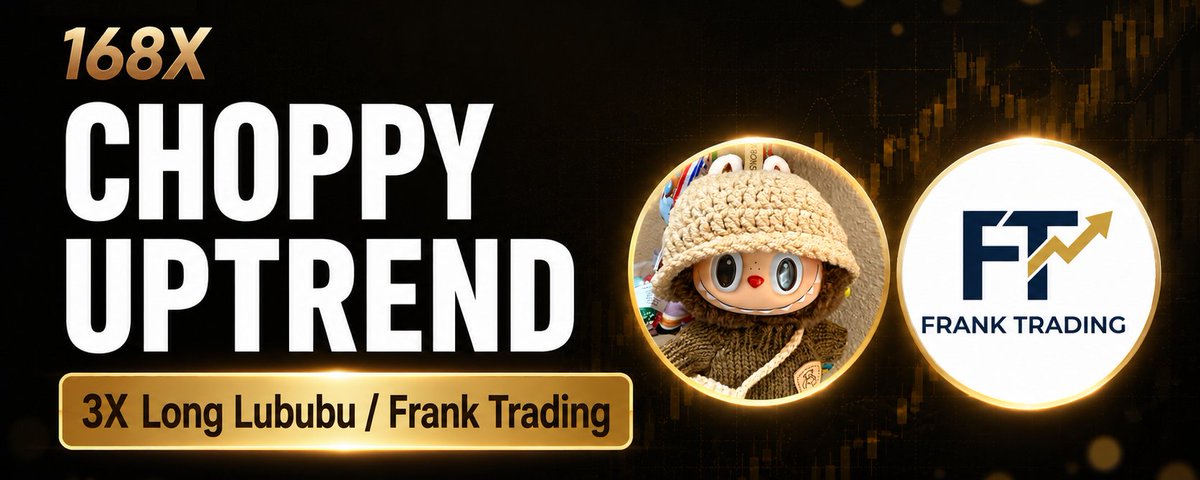
Written by Victor (@vcmktasa) and Mr. Z (@168MrZ)
A 2021-Style Choppy Uptrend Makes the Second Half Much Harder
Micron reported earnings on June 24, posting an extraordinary 84.9% gross margin and surging in after-hours trading. The next day, however, the market sold off across the board: semiconductors, Korean equities, and U.S. technology stocks all gave back ground. Is the memory cycle entering a new phase of re-rating, or have AI semis already run too far? And are Tokenmaxxing, memory-driven price increases, and a stronger dollar genuine structural risks, or just another FUD-driven opportunity to buy the dip?
For this episode, 168X brought together two distinctive voices in the Chinese-speaking AI, U.S. equities, and semiconductor community. Frank Trading (@Franktradinglog) is a macro-focused trader, while 3X Long Labubu (@labubu_trader, also known as Hao Huang) is a Silicon Valley AI engineer known for his work on market structure, leverage, and options flows. Labubu returned to 168X two weeks after our previous episode, “Where Is the Next Alpha After June’s AI Semiconductor Selloff?”, this time joined by Frank Trading. Together, they moved from Micron’s earnings, the “memory kills everyone” narrative, Tokenmaxxing, and hyperscaler capex to China’s TRS restrictions, dollar and Treasury risks, and a possible Microsoft capitulation.
One shared conclusion stood out: the easy-money phase that has lasted since March is over. Late June may still offer a buy-the-dip window, but investors should stay cautiously constructive, expect much higher volatility in the second half, and avoid short-term trading and excessive leverage.
👉 Global capital is pouring into semiconductors, and Taiwan’s market sits on the front line. The 168X team is based in Taipei, and we run a Taiwan/U.S. equity research group on X where we keep sharing assets and forward-looking ideas worth watching. Come join us!
This article is a curated summary of a 168X (@168X_Fortune) episode, a premier dialogue platform connecting Eastern wisdom with Western innovation, focused on AI & semiconductor, exploring how technology, capital, and human wisdom will reshape the future of civilization.
Hosts: Mr. Z (@168MrZ) and Victor (@vcmktasa). Guests: 3X Long Labubu (@labubu_trader) and Frank Trading (@Franktradinglog).
Listen to the interview: original X Space audio (Mandarin) | YouTube version
Contents
June positioning, buying the dip, and Labubu “losing money with everyone else”
Tokenmaxxing: rising costs and falling revenues
Liquidity, IPO absorption, and Tokenmaxxing’s real victims
A 2021-style choppy uptrend: why the market is becoming more crowded
Micron and “memory kills everyone”: re-rating high margins
Forced capacity expansion and the beneficiaries upstream
The dollar, Treasuries, Brazil, and gold
Hong Kong and China tech versus semiconductors: HSTECH as a funding short
China’s cross-border TRS restrictions and the market impact of “LuJiaZui capital”
Hyperscaler capex: the Microsoft capitulation scenario
Winners from token efficiency: AMZN, GOOG, and NBIS
The 7,430 gamma level and micro trading
From late June into July: flows and the market playbook
The next strategy: sell rallies, buy pullbacks, avoid leverage
Advice for AI semiconductor investors in the second half of 2026
1. June Positioning, Buying the Dip, and Labubu “Losing Money With Everyone Else”
Mr. Z: We are delighted to have our old friend Hao Huang, better known as 3X Long Labubu, and a new guest, Frank Trading. We want to discuss Micron’s sharp post-earnings surge after it reported at 4:30 a.m. Taiwan time, followed by a market-wide selloff. Is memory entering another re-rating? Are Tokenmaxxing, open-source models, and edge inference just FUD, or could they really change expectations for AI capex? We will cover Micron, memory, NVIDIA, cloud providers, and TRS activity in China. Frank, could you introduce yourself and explain how you developed your AI investment thesis?
Frank: Thanks for having me. Strictly speaking, I am a macro trader, not an AI specialist, so I still have much to learn about AI. As for Tokenmaxxing, I may have been among the first to write about it publicly. I published a post on May 9. I do not know whether the discussion began with me, but perhaps it helped move it along.
Mr. Z: Labubu, how have you been? How has trading gone recently?
Labubu: Recently? Losing money with everyone else.
Mr. Z: Really? You are an experienced U.S. equity trader. How can you be losing money?
Labubu: In this kind of environment, everyone loses money. That is normal.
Mr. Z: Yesterday I sold all of my DRAM ETF position. I do not know if that was the right call.
Victor: Seriously? I bought a little DRAM yesterday.
Labubu: I do not think there was any need to liquidate. My outlook last week was that from Monday through June 30, there would be negative passive flows, mainly from pension selling. From March and April through June, U.S., Japanese, and Korean semiconductor equities had all risen sharply. Pension funds were sitting on substantial gains and needed to rebalance back toward their 60/40 stock-bond mix. That means selling equities and buying bonds late in the quarter, starting roughly in the final ten days of June.
My original plan for the week was to short equities below 7,500 and go long bonds. I did not short much because I’m not good at staying short, but I did make some money on the bond longs. This week’s decline is a combination of passive outflows, CTA triggers, and leveraged capital getting blown out. How much of the selloff was really driven by viral bearish writeups on social media, and how much was a non-event that investors simply blamed on those narratives while pensions were selling? That is what people should watch. I remain very constructive on AI and have continued to buy Micron and upstream equipment on weakness. I think these flows reverse by early July. Tokenmaxxing is not entirely fictional, but companies that need financing are leaning into this narrative because it suits them. There is no reason to panic and liquidate memory. This is more likely a good buying opportunity.
2. Tokenmaxxing: Rising Costs and Falling Revenues
Mr. Z: Another Frank, @qinbafrank, has also been talking about quarter-end pension rebalancing. The second issue is Tokenmaxxing. Could you explain in more detail what it is and how it might become the catalyst for the next semiconductor selloff?
Frank: Tokenmaxxing operates through two channels. Until recently, the default assumption was that inference costs would keep falling and that using more tokens was inherently good. Meta, Amazon, and Uber all built internal leaderboards to encourage token use. In practice, Uber reportedly burned through its full-year AI budget in four months and imposed limits. Meta and Amazon are no longer encouraging usage in the same way, and, according to friends in China, companies such as Tencent have also introduced limits.
On one side, tokens are becoming more expensive because build costs are rising. The cost of building the same number of gigawatts of server capacity is now roughly 180% to 190% of where it was at the end of last year, nearly double. On the other, open-source models are catching up. We used to assume that a frontier SOTA (State-of-the-Art) model would take 12 to 18 months to become an open-source baseline. But take Zhipu’s open-source models: the gap with closed-source frontier models may be much less than 12 to 18 months.
Chinese companies are especially fond of price wars. For many use cases, including less demanding coding, customer service, copywriting, and technical code, models that are one or two generations behind, such as Qwen or GLM, are good enough and far cheaper than Anthropic or Codex. So you have higher infrastructure costs at the same time that competition drives down the selling price of tokens. Costs rise while revenue falls. That is Tokenmaxxing. It is a credible narrative, not just another fear-driven bear story.
3. Liquidity, IPO Absorption, and Tokenmaxxing’s Real Victims
Mr. Z: For listeners, SOTA means state of the art, or the most advanced large language models. So if a SOTA model becomes an open-source baseline within 12 to 18 months, does that mean companies like Anthropic and OpenAI have only a one- to one-and-a-half-year monetization window before ARR starts to decline?
What worries me more is the amount of capital being absorbed by the market. SpaceX’s $75 billion IPO, Google is raising $80 billion in equity, NVIDIA plans $25 billion in bond financing, and SK hynix is expected to raise $29 billion through ADRs next month. Half the year is nearly over. It feels as though liquidity is getting depleted. What do you both think?
Frank: Liquidity is not as bad as people imagine. A $75 billion SpaceX deal is not that large in this context. One key gauge is the spread between SOFR and IORB. It remains negative, which suggests that there is still cash in the system and a marginal willingness to borrow. There have been many competing events recently, so corporate debt and Treasury supply are competing for the same pool of capital. But compared with last October and November, liquidity is actually better.
Mr. Z: So OpenAI pushing its IPO to 2027 effectively pushes expectations out and may be positive for a somewhat fragile market. Are you worried about its ARR and IPO prospects?
Frank: Very much so. There is the Jevons paradox: when something gets cheaper, consumption can rise. That was also one of the key reasons I bought the dip during the DeepSeek moment. So the strength of open-source models does not directly hurt the semiconductor layer. Many people are trying to link Mac Studios together for local inference, but those machines still need memory from Samsung, SK Hynix, and Micron. The more direct pressure is on closed-model labs such as OpenAI and Anthropic. If OpenAI can delay its IPO to 2027, that is better for the market: less capital absorption and more time to make a breakthrough, rebuild ARR, and then list.
Mr. Z: Understood. Labubu, what is your view?
Labubu: I generally agree with Frank.
4. A 2021-Style Choppy Uptrend: Why the Market Is Becoming More Crowded
Mr. Z: You have said that this year may resemble 2021, a choppy and bumpy year. Do we keep grinding to new highs, or could Q3 bring a more serious deleveraging?
Labubu: Why do I keep comparing it with 2021? Chart-wise, the index looks somewhat similar. The macro backdrop does too: there were early signs of inflation control, rate-hike expectations, and a rapidly narrowing 10-year versus 2-year spread. The yield curve was flattening. In that environment, money naturally crowds into assets that can still grow rapidly and generate stable profits even under higher rates. The market keeps narrowing, breadth shrinks, and leverage and positioning become concentrated in a small number of names. Once a trade is too crowded, any small shock can turn into a scary story and an explosion.
After leverage blows up, people add it back because they still conclude that Micron is the best name in the market. The cycle repeats. When does it end? Micron’s latest earnings gave me an idea: it is probably close to the end when sell-side institutions can forecast Micron’s numbers with great precision. We are nowhere near that point yet.
5. Micron and “Memory Kills Everyone”: Re-rating High Margins
Mr. Z: Micron’s earnings were stunning. But Taiwanese analyst Andrew Lu (@Andrewhclu) raised a big question: Micron’s gross margin is already 84.9% and is expected to reach 86% next quarter. Can it keep rising? If these major memory producers all reach 80% or 90% gross margins, is there still room for pricing gains in 2027 and 2028? Higher capex means higher output and revenue, but also more depreciation. Can margins keep expanding?
Labubu: Today’s decline was not really about Tokenmaxxing. The market is trading two narratives: Tokenmaxxing and what people jokingly call “memory kills everyone,” meaning memory costs eat into everyone else’s margins. People have tried to sell the Tokenmaxxing story before, but it did not work. First, investors have the DeepSeek experience and understand the Jevons paradox. Second, Frank’s logic chain is long, and most of the market will not process it deeply, so its FUD effect is limited.
The “memory kills everyone” story is much simpler. Memory eats all the downstream profits. Xbox and Apple have to raise prices because they cannot absorb higher memory costs. Look at second-quarter capex: more than half is going into memory. The narrative is clean and powerful: memory consumes downstream profits, eats into the Mag 7 cash-flow engines, prevents further capex, and takes everyone down with it. That is why Korea sold off while Micron, SanDisk, and memory upstream names such as AMAT and KLA held up, even as downstream Mag 7, Google, and Microsoft declined. I think that story had a bigger impact.
For Micron, there is a major misconception: people focus on market share and pricing and want them to rise forever. Samsung, for example, may already have memory gross margins above 90%, but everyone knows this is not sustainable. I said in the previous X Space that I like TSMC because it behaves responsibly. It knows that extracting too much margin can hurt the entire ecosystem. If investors expect memory EPS to keep growing at this pace, that is not sustainable.
The bullish counterpoint is that there may be more long-term agreements, such as SCAs or LTAs. Those could stretch the cycle for memory companies that were previously treated as cyclicals, creating visibility into five or ten years of decent revenue and growth. It is like having sold a put: it provides stronger downside support for the share price. Traditional memory names may get 5x earnings, but if the cycle lengthens, valuations could move closer to 10x. Multiple expansion can push the share price faster and more powerfully than EPS growth. Companies may be forced to expand capacity, potentially even under government pressure, and cut margins. The likely path is slower EPS growth but faster multiple expansion, which can still be very bullish over the medium term.
Mr. Z: So the summary is: high margins are not sustainable, so EPS growth will slow; and governments may use regulation to encourage more capacity and bring margins down.
Labubu: There was news today that Samsung and SK hynix are investing.
Victor: Samsung is investing KRW 1 trillion.
Labubu: Right. I suspect that may already reflect government signaling. Think about it: how is this different from a spike in oil prices? It is not. It becomes inflation, a supply-side inflation shock ultimately passed on to consumers. Apple is not a charity; Xbox, Nintendo Switch, and Apple will all raise prices downstream. Consumers can absorb or respond to that, but for CSPs and the Mag 7, the concern is whether memory costs are making capex unsustainable. That thesis cannot be disproved yet; only earnings can disprove it.
The difficult part is that you cannot get around memory in a Von Neumann architecture. You cannot get around the memory wall. The only option is to force capacity expansion, whether from CXMT, YMTC, or governments pressing Samsung, SK hynix, and Micron. But such economics are not sustainable forever. EPS growth may slow, but longer contracts could become more common and the market may assign a higher multiple. As long as downstream demand keeps growing fast enough that capacity additions cannot catch up, the story remains intact. I remain constructive on memory. It could still work out for everyone.
One more point: much of memory pricing happens in the second quarter. Last quarter’s earnings already reflected this year’s price increases, and contracts were signed then. The issue of memory eating downstream profits did not suddenly emerge today. Spending more than 50% of capex on memory did not change from March or April. The real issue is that the stocks have risen a lot and positioning is too crowded. A small narrative becomes powerful only near local highs; three or four months ago it had no effect. Now the story is amplified into the end of the world, but it is not that.
6. Forced Capacity Expansion and the Beneficiaries Upstream
Victor: We have seen Samsung’s planned KRW 1 trillion investment, and SK hynix expanding a NAND fab in Cheongju. If memory makers are pushed to add capacity, which sectors benefit? The AI Supply-Chain Digger (@QihongF44102) previously said that expansion is beneficial to equipment and materials. If investors avoid the most crowded memory names, are there other sectors that can absorb the spillover flows?
Labubu: As the Digger said last time, the upstream supply chain benefits most. The logic is the same: they have no choice but to increase capex. If Samsung, Micron, and SK hynix spend more, materials and equipment suppliers benefit, including a number of Taiwanese names.
Victor: Such as United Integrated Services, TSMC’s favored facility-services contractor, which has recently broken to new highs.
Labubu: Yes, and wafer names such as Formosa Sumco Technology Corporation. Downstream businesses are being hit by social-media narratives and short selling, while upstream is a much better opportunity. AMAT rose 13 points on Thursday, Lam Research was up more than 7 points, KLA was up a great deal, and UCTT, which serves cleanrooms, also rallied strongly. Today I mainly bought memory and upstream equipment and materials, especially in Japan and the United States. There are many possible names in Japan, Taiwan, China, and the U.S. People can research the question themselves: which equipment and materials companies benefit when Samsung, SK hynix, and Micron expand capacity?
Victor: Japanese equipment makers have also moved sharply, including TEL and Advantest. As always, please do your own research.
7. The Dollar, Treasuries, Brazil, and Gold
Victor: Many of June’s uncertainties have gradually cleared. The next focus is Treasuries and the dollar, which has been moving higher. Labubu wrote that yesterday’s PCE release pushed Treasury yields down and that the dollar is unlikely to keep surging near term. Frank, from a macro perspective, how do you view the dollar and Treasuries, and what do they mean for global and Asian equities?
Frank: Yesterday we started a small long position in Brazil through calls on the Brazil ETF, EWZ. We think the dollar has topped in the near term and is unlikely to break materially above 102. If the dollar has peaked, you can own assets that were temporarily suppressed by dollar strength, such as gold and copper. Brazil is a relatively pure alpha expression: it exports food, oil, and copper, and has double-digit interest rates. A dollar peak would be a major catalyst for Brazilian exports and the real. With a favorable PCE report and lower 10-year Treasury yields, the dollar has limited upside, perhaps only downside, into month-end or the next CPI release. There will also be month-end stock selling and bond buying. We went long 10-year Treasury futures around 109’07.5 on Monday and they are now around 110’07, nearly a full point higher, which is a very meaningful move. Why not trade Japan or Korea? Their exposure is too entangled with semiconductors. To short the dollar, you can short it directly, buy gold, or buy Brazil.
Victor: Gold briefly fell below 4,000 and has been consolidating. How do you see gold in the second half?
Frank: I want to be tactically long gold in the short-term, but the longer-term picture is less clear. The structural arguments remain: central-bank buying, fiscal deficits, a discount on dollar credibility, and geopolitical risks. But these are slow-moving variables. A hawkish Fed chair such as Warsh can undermine them by strengthening dollar credibility and reducing the perceived need for gold. Warsh is clearly more hawkish, at least relative to Powell in the market’s view. PCE came in below expectations, or at minimum in line, so I still think gold can work as a short-term trade.
Victor: Labubu, what is your view on the dollar and Treasuries?
Labubu: I largely agree with Frank. The dollar is the strongest asset in the market right now. But a few factors could cap the dollar index in the short term. First, this is a major resistance zone going back to May 2025; without a catalyst, it is difficult to break. Second, the dollar index is heavily influenced by the euro and the yen. Dollar-yen has reached 162, a level at which the Bank of Japan may intervene. With the Strait of Hormuz reopening, the market’s pricing of a European recession could reverse and the euro could rebound. PCE was soft, both two- and ten-year yields fell sharply, and FX reacts more slowly than bonds. The next week or two is therefore a good setup for some dollar weakness. But returning below 100 over the long term will be difficult, mainly because Warsh’s hawkish stance should keep the dollar firm. This matters greatly for emerging markets but less for Japanese, Korean, and Taiwanese semiconductors. In the end, capital will likely continue to concentrate in semiconductors across China, Hong Kong, Taiwan, Korea, and Japan, just as it has in the U.S., because this is the highest-certainty area and may even benefit from a strong-dollar environment.
8. Hong Kong and China Tech Versus Semiconductors: HSTECH as a Funding Short
Mr. Z: On Chinese equities, Tencent trades at 14x earnings and Alibaba at 15x, while giants such as JD.com, Kuaishou, and PDD might trade at 30x or 40x in the U.S. Zhipu’s Tang Jie released GLM 5.2 last week and the stock jumped that day. Could money rotate into A-share and Hong Kong technology and hard-tech leaders on the momentum of Chinese open-source models and Tokenmaxxing?
Labubu: I think it will rotate into hard technology. Many Hong Kong-listed semiconductor names, not only Zhipu but also Kingboard, Hua Hong, and SMIC, have performed very well. The problem is that a high dollar makes capital concentrate in high-alpha names, while Hong Kong liquidity is structurally weak. Big Hong Kong tech is in an even worse position than the Mag 7. We traded Alibaba and Baidu last year, but that trade failed because Alibaba committed to fighting Meituan in food delivery. That is exactly the same concern: capex and opex rise while profits decline. Add AI capex on top of that, and the situation is more awkward than for the Mag 7: weaker profitability and slower revenue growth than companies that can draw capital from around the world. The Hang Seng Tech Index has all of the Mag 7’s problems without the Mag 7’s earning power. Avoid the large HSTECH constituents; semiconductors and foundation-model companies may be the only near-term tradable areas.
Mr. Z: So you remain negative on traditional tech giants over the medium term, say three to six months?
Labubu: Yes. Emerging-market hedge funds are using both HSTECH and India as funding shorts: short Hong Kong and India, long Japan, Korea, and Taiwan. A-shares may fare better because the market is more closed and follows a different internal logic; unlike Hong Kong, India, Taiwan, Korea, and Japan, they are not in exactly the same capital ecosystem as the U.S. They can do well on their own. Combined with China limiting TRS and capital outflows, this may favor A-share and Hong Kong semiconductor-substitution names.
9. China’s Cross-Border TRS Restrictions and the Market Impact of “LuJiaZui Capital”
Mr. Z: A quick explanation of TRS, or total return swaps. My understanding is that Credit Suisse suffered major losses as an Archegos counterparty in 2021, while Bill Hwang built TRS positions through multiple investment banks, exposing counterparty risk. Put simply, TRS lets investors take leveraged exposure without directly owning the asset. You have said that, after China limited cross-border TRS, Chinese hedge funds can no longer sell the news and then buy Micron back through TRS. My reading is that the government wants fund managers to keep capital in A-shares and Hong Kong rather than send it offshore. How do you see it?
Labubu: Some people on X say this is meant to stop Chinese capital from investing in overseas AI supply chains. That is nonsense; capital chases returns. It is more likely a form of foreign-exchange management intended to stabilize the currency. The scale has grown, and authorities worry that it could affect the exchange rate. One commentator said it was only $10 billion, but I have heard estimates of $30 billion to $100 billion. No one knows the true number. My understanding is that TRS positions can only be sold, not bought; investors cannot add new exposure. You may hold an existing position, but after selling it, you cannot rebuild the leveraged position. For example, if I bought Micron through a TRS and sold it to trade the range, I could not buy it back.
In China, people online call this group “LuJiaZui capital,” referring to a certain cluster of investors. They do extremely deep research, are ahead of many markets, conduct fieldwork and expert calls, and have a strong ability to dig deep into supply chains across Korea, Japan, Taiwan, and the U.S. But they also inherit the A-share tendency toward washout trading and market-moving behavior. I suspect some of SanDisk’s large swings in the past involved this group: dumping 20–30% of a position at once can create sharp pressure even if the capital is not enormous; options can then amplify the move. They may also sell after a strong earnings report by finding a flaw, then buy back lower and shake out less-convicted retail holders. With the new restrictions, at least they cannot sell Micron and rebuild the leverage to trade the range. If they quiet down, that is good for retail investors outside A-shares.
10. Hyperscaler Capex: The Microsoft Capitulation Scenario
Mr. Z: Many investors are circulating hyperscaler free-cash-flow projections this morning. The S&P has risen nearly sevenfold since 2012, while the combined FCF of Oracle, Amazon, Microsoft, Google, and Meta is now around $10 billion to $20 billion, near a trough. What does that signal, and how should we think about it?
Frank: It is worth watching. Back in February and March, Huang made a bold observation: Microsoft could be the first hyperscaler to capitulate and say, “I am not joining your AI arms race.” Why Microsoft? Satya Nadella is not a founder, and the market may see him as carrying greater share-price pressure. Microsoft’s share price has fallen enough that shareholders will not tolerate it. I think that in this or a future earnings report, Microsoft could pull back from full-scale AI competition and return to its high-margin software business. It cannot win cloud by doing too little, cannot opt out entirely, and cannot rely on software alone. In this AI hardware shakeout, Microsoft may be the first player eliminated. Google, Amazon, and Oracle have deeper cloud and AI foundations and may be less likely to pull back first.
But if Microsoft cuts capex, AI equities will sell off hard. I think a 30% one-day decline in SMH is entirely possible because leverage is so high. For now, a lot of this is still narrative-driven rather than data-driven, and data is what matters most in trading. If any hyperscaler announces a capex cut, or even lowers its future capex outlook, semiconductors could face a devastating selloff. A 30% one-day decline in SMH is not an exaggeration.
11. Winners From Token Efficiency: AMZN, GOOG, and NBIS
Victor: Google and Amazon have sold off sharply, but you have said that if the market focuses on token efficiency, Amazon, Google, and Nebius could become the preferred names and recover. Why?
Labubu: In a Tokenmaxxing narrative, the companies able to offer the lowest token unit price are the most attractive. These are the three with the best end-to-end optimization. AWS and GCP have their own hardware and strong inference teams, giving them the best cost optimization. NBIS is interesting. It is Nebius Group, which emerged after Yandex N.V. completed the divestment of its Russia-based business. Its technology is very strong. People now call it a token factory: it has evolved beyond the typical neocloud model of selling bare metal and renting GPUs, and its margins and pricing power have improved. These companies can serve both open and closed models well. AWS Bedrock, for example, can intelligently route a simple task to a cheaper model and a more complex task to a more capable one. If you view it through the lens of selling tokens, those three are the most credible.
Amazon is particularly compelling. Microsoft, Oracle, and CoreWeave all seem to have huge order books but struggle to serve them and execute, which is why their shares have fallen. Their backlogs hit new highs every quarter and look exciting, but revenue repeatedly falls just short because execution is weak. AWS had an earnings report that impressed the market because its data-center buildout and conversion of orders into revenue were clearly improving. Nebius, Amazon, and Google have not shown the same problem in their financials.
Mr. Z: After hearing you, I checked Oracle’s five-year CDS. The spread has widened to roughly 200 basis points, similar to 2008-09 levels. A company with strong cash flow should not trade that way. It looks as though capex has gone too far. It seems Wall Street hates capex, and I don’t know when they’ll change their minds.
Labubu: It is not that Wall Street hates capex. They hate capex without revenue. Oracle keeps building and borrowing, but it does not execute well enough when converting orders into revenue. The other three do not have the same issue.
12. The 7,430 Gamma Level and Micro Trading
Mr. Z: Frank, you have said that 7,430 is an important level: the maximum positive-gamma point and the level where the market gapped higher on positive Iran news. A break below it would be bearish. Could you explain?
Frank: These are fairly micro trading techniques. I rarely look at charts or trade candlestick patterns such as dojis or double tops because I do not find them useful. I come from a quantitative background; quants do not trade by looking at candlesticks. In my framework, only specific levels matter. I focus on gamma levels, gap-ups, and gap-downs that carry information, then decide whether the index favors longs or shorts.
Look at the SPX. On Friday, June 12, it closed at 7,431. The following Monday, news that Trump and Iran had reconciled pushed it to a gap-up open at 7,516. That gap was informative. Warsh made his debut the following Wednesday. The market expected hawkishness, but his stance was more hawkish than expected, and the index broke below that level. When it lost 7,430, I got out. It may have been the wrong call because the market recovered on Thursday. It was put-heavy, and vanna and charm flows meant market makers would buy. My reading of Thursday was that passive money was buying. After exiting on Wednesday, my position was light. Following four down days from Monday through Thursday, I bought 5% to 10% of my intended equity exposure each day, mainly DRAM ETF, Nebius, KLIC, KLAC, AMAT, and CRDO. I remain constructive over the long term. Those are my trading methods; they are nothing fancy.
13. From Late June Into July: Flows and the Market Playbook
Mr. Z: Don’t be so modest. It’s not that the method is simple — it’s that most people can’t keep up with your style. How will you trade the next phase of the market?
Frank: This appears to be a move driven by social-media narratives, but it is really about negative flows. First, CTA and volatility-control strategies buy in a flat or rising market, then sell aggressively when the market falls, especially through key levels such as 7,500, 7,200, and 7,000. If realized volatility rises broadly, option funds and risk-parity funds also sell. Add what I believe is one of the largest semiconductor pension rebalances in history, including Norway’s sovereign wealth fund and U.S., Japanese, and Korean funds. We were heavily short semiconductors on June 5 because leverage in the sector was at a historic high; a small negative headline could set off a leverage explosion and a downward spiral. Before this week began, leverage had built back up. Combine that with Treasury supply and the end of the corporate-buyback window, and the path of least resistance pointed lower.
I remain bearish through June 30, but I will buy at attractive levels. Statistically, early July is one of the strongest periods of the year for U.S. equities, helped by seasonality and the July 4 holiday effect. Building a meaningful common-stock position by the end of June seems sensible to me. You can make a little extra income with intraday or overnight shorts if you cannot resist, but the core should remain buying quality equities on weakness.
14. The Next Strategy: Sell Rallies, Buy Pullbacks, Avoid Leverage
Victor: We have discussed the events coming in July. Which are fake risks and which are real? How are you positioning for the next move?
Labubu: I’m broadly aligned with Frank here. At this point, the macro uncertainties have largely cleared and June’s unknowns have been resolved. I still have a lot of cash and would like the market to fall further, but no one knows for sure. I will build my positions before the end of June and reassess in July. If this is a 2021-style choppy uptrend, the strategy is simply to sell into new highs and add on pullbacks to the 50-day moving average, profiting from volatility while reducing drawdowns. We can reassess near the end of Q3, when Microsoft could theoretically capitulate and create a much larger selloff. Until then, the market should remain choppy but upward because AI is still developing rapidly, the narrative is not over, and these companies have real earnings and revenue.
From January 2021 to January 2022, the S&P rose from roughly 3,700 to 4,700, or around 30%. It was painful, with perhaps 12 or 13 pullbacks from new highs to the 50-day moving average before the next move higher. But the overall trend was choppy up, like a ride that keeps dropping into potholes and climbing back out. That is my base case: stay cautiously optimistic, keep cash for dips, and avoid leverage because it erodes quickly in this kind of volatile market. Maybe I will decide I have made enough this year and simply buy long-duration bonds instead.
Victor: So the volatility ahead will be violent. Investors who are already heavily positioned should simply hold on, while investors with plenty of cash and a desire to build positions do not need to chase. When Micron reports and surges, do not FOMO. Volatility will remain high and there will be more opportunities to buy dips.
Labubu: Exactly. One more point: this environment is very unfriendly to traders who prefer to enter only after the trend becomes obvious. Whether you chase long or short, you can get trapped. When Micron reported, Frank and I both bought some memory, but we did not dare chase it higher. After the big drop at the open today, we bought a little more. Do not FOMO in either direction. Many people say they cannot short, but panic-selling near the lows is effectively the same as chasing the short side.
Since the violent Friday selloff on June 5, when the market did not immediately rebound, the easy money has been gone. This is no longer the easy-money market we had since March.
Mr. Z: March really was a period when almost anything you bought went up. Sometimes I made money without even knowing why, as if the gains just came out of nowhere. It reminds me of Jay Chou’s “Tornado”: “Love comes too fast, like a tornado.”
15. Advice for AI Semiconductor Investors in the Second Half of 2026
Mr. Z: Frank, what would you like to leave investors with?
Frank: If your short-term trading is not strong, this is a very easy market in which to lose money. Either commit to the long term, identify high-quality names with 168X, and hold them. AI moves quickly: a narrative that looked powerful one month ago may fail the next. Recent examples include CRDO, LITE, AAOI, and the copper-versus-optics theme, where trends can shift two or three times within six months. If your short-term skill is not there, avoid short-term trading, otherwise you get hit from both sides: you cut at 7,200 and it rips higher; you chase at 7,500 and get hurt again. The opportunity set is more complex now. You must account for macro, flows, sentiment, and narrative. Trade carefully, keep leverage lower, or your account value can swing dramatically in a single day.
Mr. Z and Victor: Frank’s warning is well taken. We are very happy to have spoken with Labubu and Frank today. Thank you both for your time, and thank you to everyone who stayed with us. If you enjoyed this episode, please follow 168X on X and YouTube and share the episode with anyone interested in AI, semiconductors, and trading. See you next time.
Labubu and Frank: Thank you, hosts, and thank you, everyone.
👉 Global capital is pouring into semiconductors, and Taiwan’s market sits on the front line. The 168X team is based in Taipei, and we run a Taiwan/U.S. equity research group on X where we keep sharing assets and forward-looking ideas worth watching. Come join us!
👉 Read more:
About 168X
168X is a platform for in-depth conversations connecting Eastern wisdom and Western innovation. It explores how technology, capital, and human insight may reshape the future of civilization. The program focuses on AI, blockchain, robotics, space technology, and bioengineering, speaking with global leaders and builders through a distinctive East-West perspective to uncover the core forces driving future wealth and innovation. It is hosted by former banker Mr. Z and researcher Victor.
Website | X | YouTube | Apple Podcasts | Substack
这里还没有任何文章可以列出。